
 English
  Spanish
  Polish
  German
  Arabic
  French
  Russian
 Selecting Commercial-Grade Bathroom Mirrors for Hospitality Projects: Durability and Compliance Standards
Selecting the right mirror for hospitality environments requires a departure from residential-grade specifications. Facility managers and procurement teams must prioritize substrate integrity, moisture-resistant backing, and robust mounting systems to ensure long-term asset performance and minimize maintenance costs.
Substrate Quality and Silvering Processes
Commercial-grade mirrors must utilize high-quality float glass to prevent distortion. Unlike standard mirrors, professional-grade units often feature copper-free silvering processes. This manufacturing advancement significantly reduces the risk of oxidation, which is the primary cause of black edge corrosion in high-humidity environments. When sourcing, ensure the manufacturer adheres to ASTM C1503 standards for silvered flat glass.
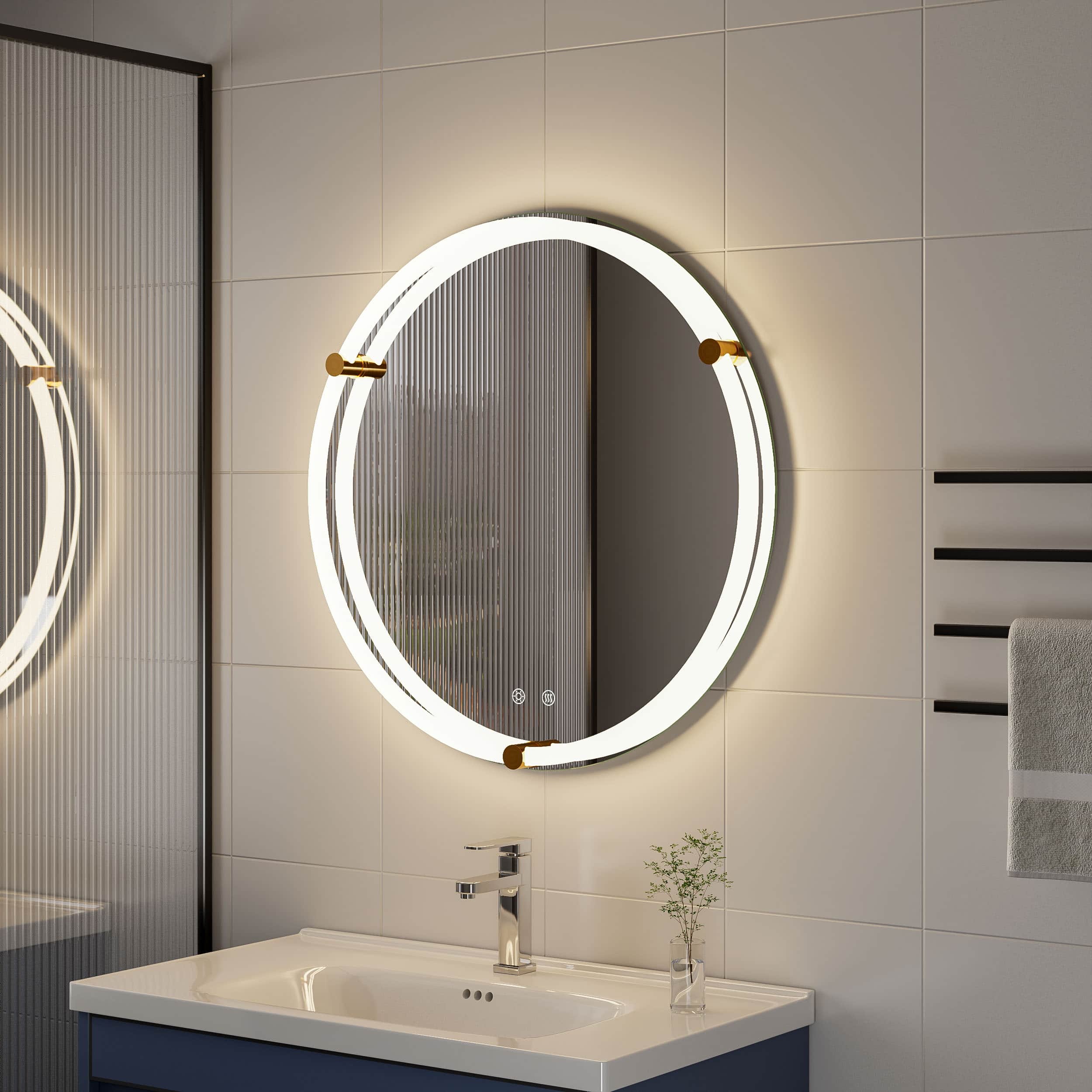

Edge Sealing and Corrosion Prevention
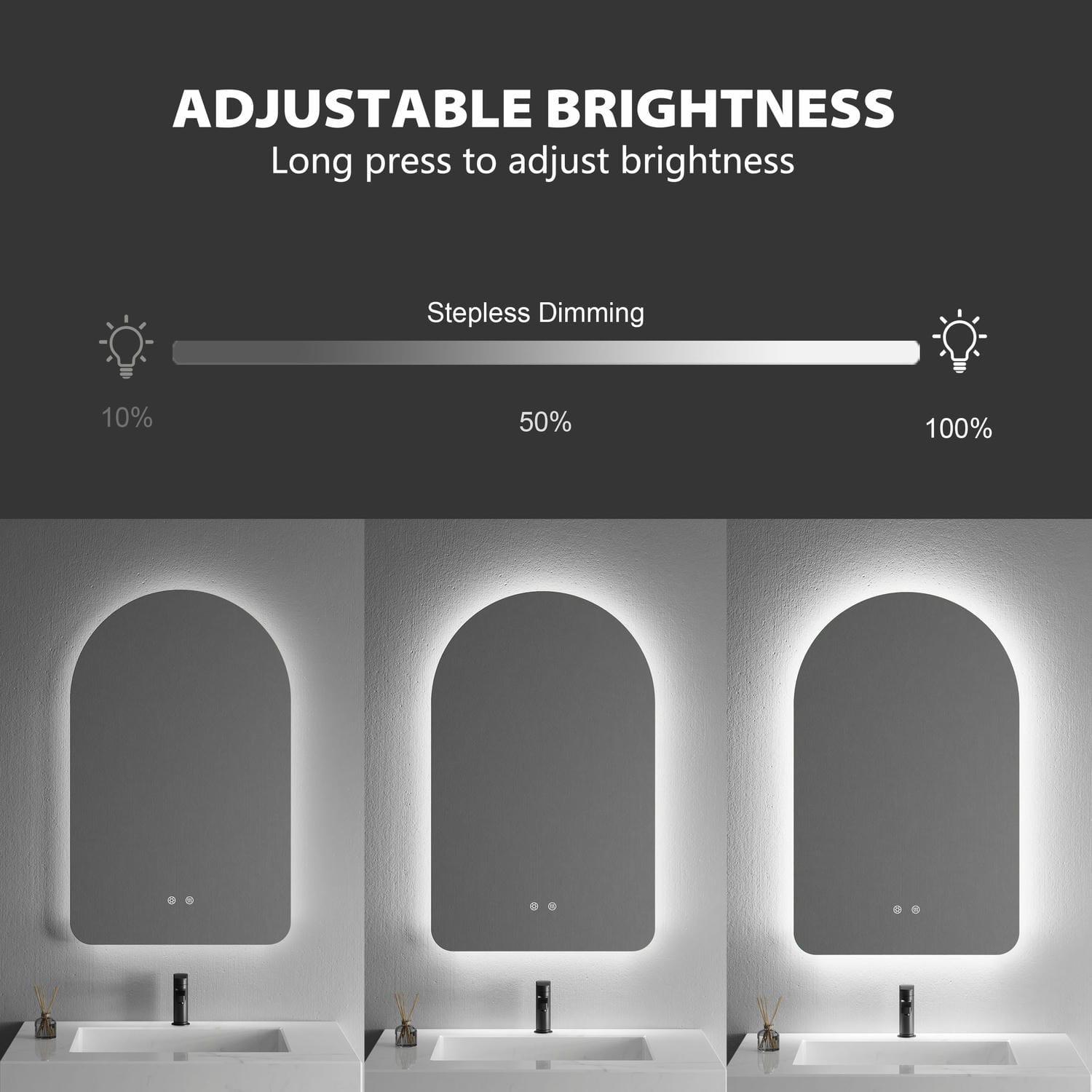
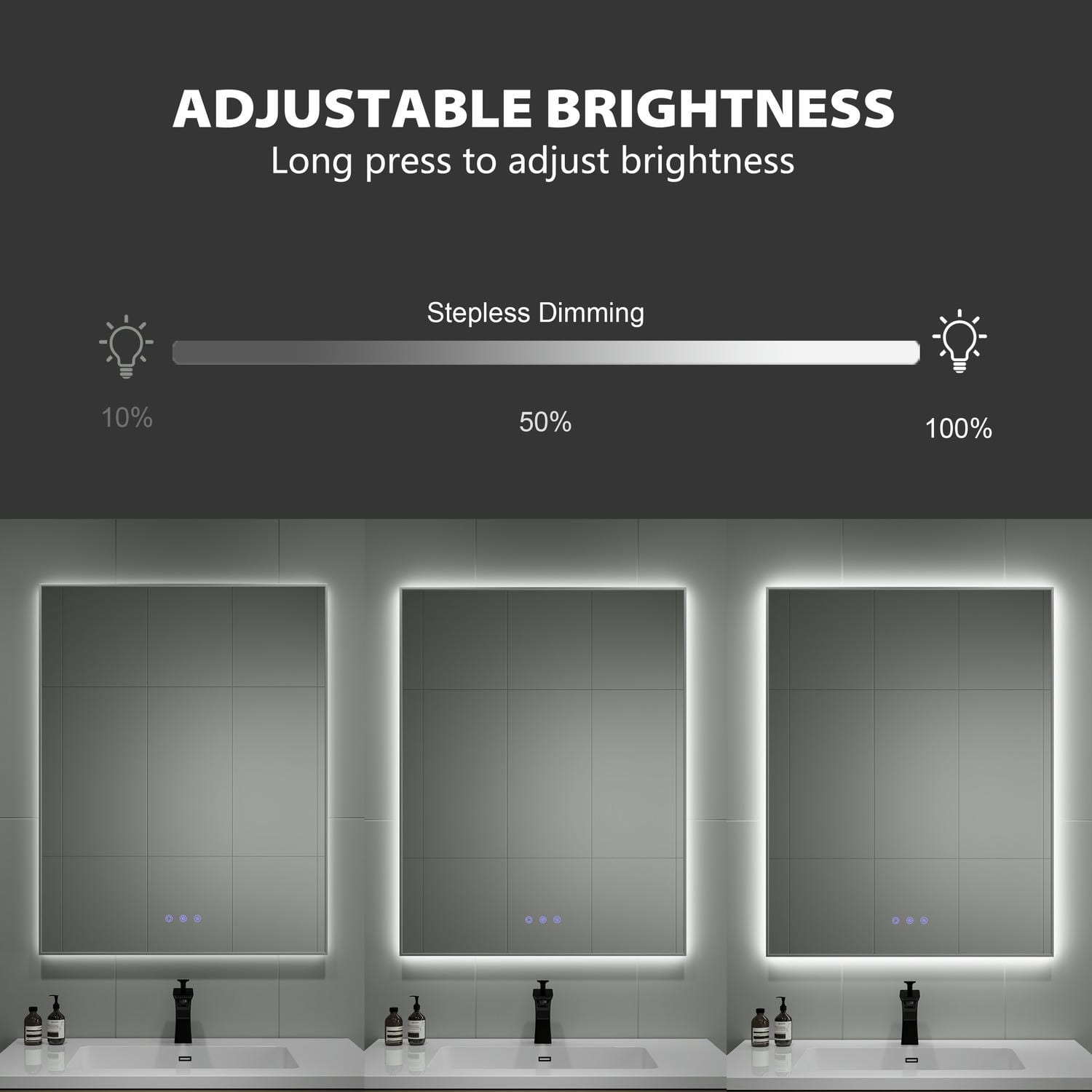
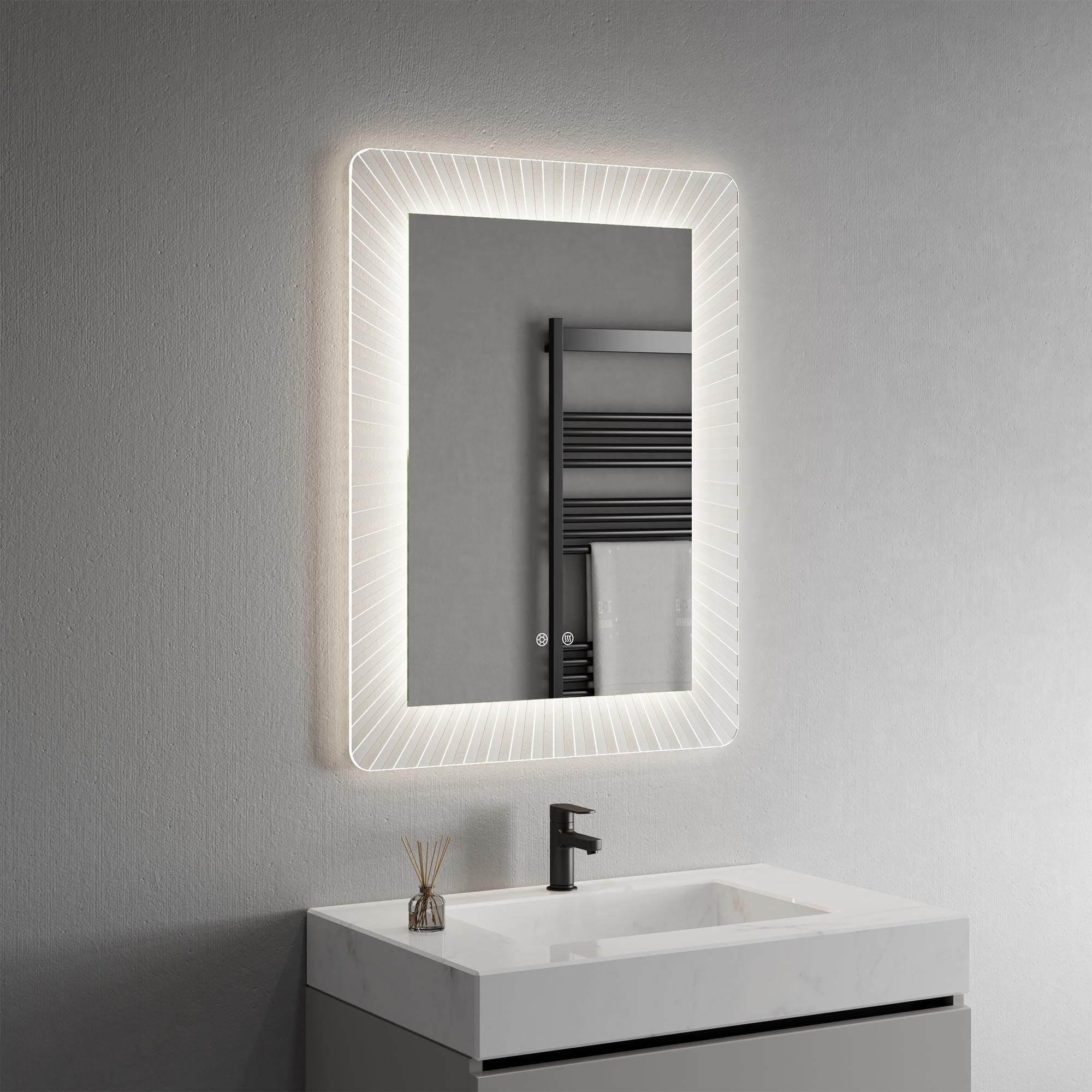
The edges of a mirror are the most vulnerable points for moisture ingress. High-performance hospitality mirrors utilize specialized edge-sealing techniques that encapsulate the silvering layer. This barrier prevents cleaning agents and steam from penetrating the protective coating. For projects requiring a sleek aesthetic, a Frameless Led Bathroom Mirror must be verified for factory-applied edge sealant to ensure longevity in guest bathrooms.
ADA Compliance and Mounting Hardware
Commercial installations must strictly adhere to ADA (Americans with Disabilities Act) requirements regarding mounting height and projection. Mirrors must be installed with the bottom edge of the reflecting surface no higher than 40 inches above the floor. Furthermore, mounting hardware must be rated for high-traffic use, ensuring the mirror remains secure and vibration-free. For specialized needs, a Led Bathroom Medicine Cabinet provides both functionality and compliance when installed correctly.
Comparison of Mirror Specifications
| Feature | Residential Grade | Commercial Grade |
|---|---|---|
| Silvering Process | Standard Silver | Copper-Free / Protective |
| Edge Treatment | Standard Cut | Sealed / Corrosion-Resistant |
| Backing Material | Standard Paint | Moisture-Resistant Sealant |
| Mounting System | Light-Duty Clips | Heavy-Duty Z-Bar/Cleat |
Maintenance and Cleaning Protocols
Hospitality staff often use harsh chemical cleaners that can degrade mirror edges. Selecting a Led Backlit Bathroom Mirror with high-durability coatings is essential. Maintenance teams should be instructed to avoid ammonia-based cleaners, which can seep into the mirror backing and cause long-term delamination.
Frequently Asked Questions
Q: What are the specific glass thickness and backing requirements for high-traffic commercial bathroom mirrors?
A: Commercial mirrors should be at least 5mm thick to prevent warping. The backing must include a moisture-resistant, multi-layer paint system to protect the silvering from humidity.
Q: How do copper-free mirror coatings impact longevity in high-humidity hospitality environments?
A: Copper-free coatings eliminate the chemical reaction that leads to oxidation, significantly extending the mirror's lifespan in environments with frequent steam exposure.
Q: What are the standard mounting hardware requirements for ADA-compliant commercial mirror installations?
A: Hardware must be tamper-resistant and support the mirror securely at the required height, ensuring the unit does not protrude more than 4 inches into the path of travel.
Q: How do edge-sealing techniques prevent black edge corrosion in hotel bathroom applications?
A: Edge sealing creates an airtight barrier that prevents moisture and cleaning chemicals from reaching the reflective silver layer, stopping the corrosion process at the source.
Q: What is the difference between standard silvering and high-durability protective coatings for commercial use?
A: Standard silvering is prone to oxidation over time. High-durability coatings incorporate protective layers that resist environmental degradation, making them ideal for high-occupancy hospitality settings.
Recent Posts
- Selecting Commercial-Grade Bathroom Mirrors for Hospitality Projects: Durability and Compliance Standards
A technical guide for B2B buyers on selecting commercial-grade bathroom mirrors, focusing on substrate quality, edge sealing, and ADA compliance standards.
04/14/2026
- Selecting Commercial-Grade Bathroom Mirrors for Hospitality Projects: Durability and Compliance Standards
A technical guide for B2B buyers on selecting commercial-grade bathroom mirrors, focusing on substrate quality, edge sealing, and ADA compliance standards.
04/12/2026
- Selecting Commercial-Grade Bathroom Mirrors for Hospitality Projects: Durability and Compliance Standards
A technical guide for B2B buyers on selecting commercial-grade bathroom mirrors, focusing on substrate quality, edge sealing, and ADA compliance standards.
04/12/2026
- Technical Procurement Guide: Commercial-Grade Bathroom Mirrors for Hospitality
A technical guide for B2B buyers on selecting commercial-grade mirrors. Learn about moisture resistance, safety backing, and hospitality compliance standards.
04/12/2026
- Selecting Commercial-Grade Bathroom Mirrors for Hospitality Projects: Durability and Compliance Standards
A technical guide for B2B buyers on selecting commercial-grade mirrors for hospitality projects, focusing on durability, safety compliance, and maintenance.
04/12/2026
- Selecting Commercial-Grade Bathroom Mirrors for Hospitality Projects
A technical guide for B2B buyers on selecting commercial-grade mirrors. Learn about substrate durability, corrosion resistance, and ADA compliance standards.
04/12/2026
- OEM/ODM Guide: Custom Large Wall Mirror Solutions for Commercial Interior Projects
A technical guide for B2B procurement of custom large-scale commercial mirrors. Learn about safety standards, substrate options, and manufacturing feasibility.
04/12/2026
- Sourcing Arched LED Mirrors for Modern Hospitality Projects
Discover why hospitality architects specify arched LED mirrors for hotel bathrooms. Explore manufacturing insights, structural benefits, and sourcing criteria.
03/28/2026
- Smart Lighting Integration: Engineering Commercial Arched LED Vanity Mirrors
Explore the engineering and manufacturing processes behind commercial arched LED vanity mirrors. Learn about smart lighting integration for B2B procurement.
03/28/2026
- Wholesale Customization of Crystal Embellished Bathroom Mirrors
Source custom crystal embellished mirrors for premium bathroom product lines. Explore manufacturing processes, material grades, and wholesale customization.
03/28/2026